Modernisation tip: Replace your heating system
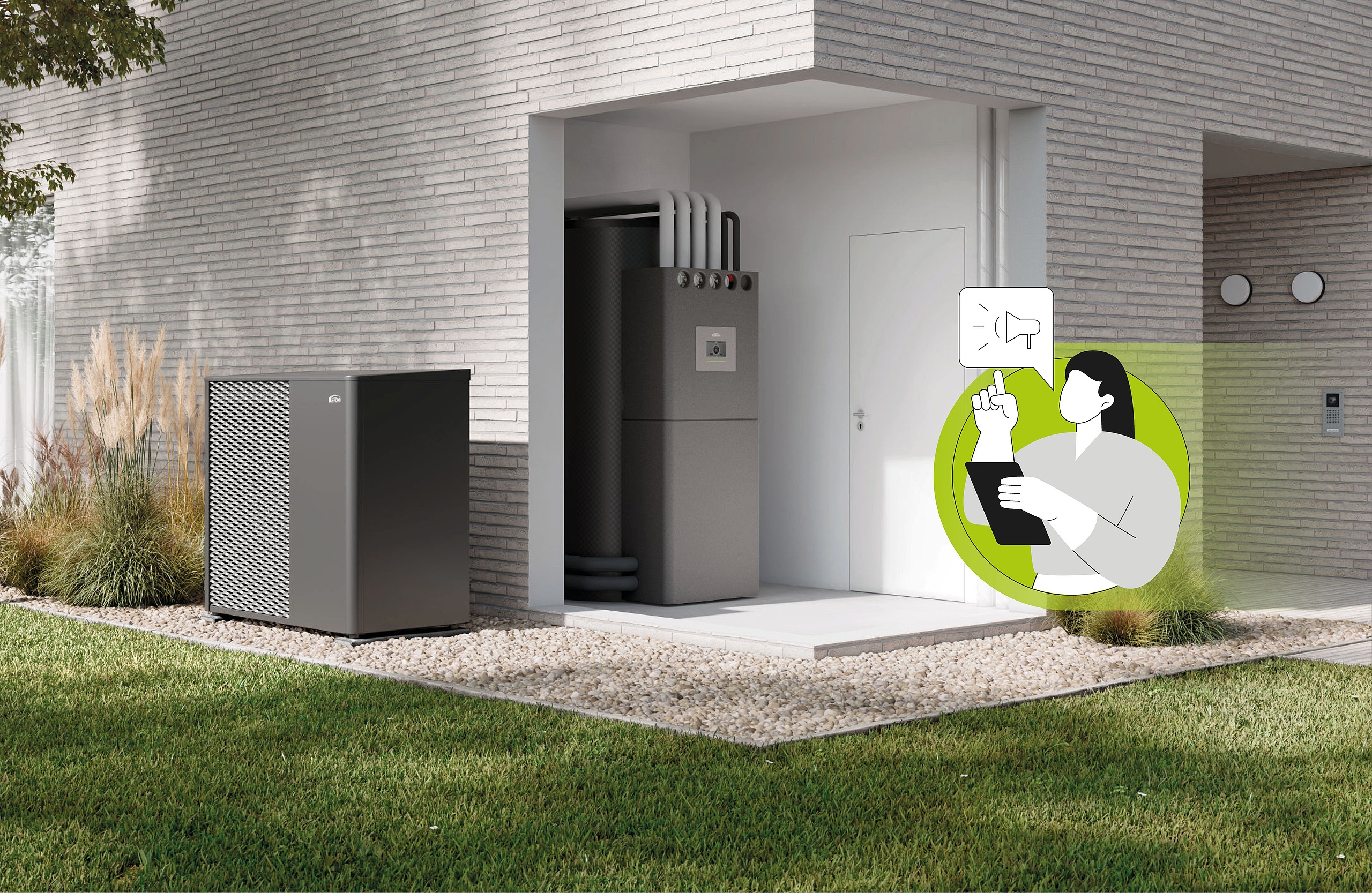
The heating systems in many German basements are technically outdated and no longer meet today's standards of comfort and efficiency: they consume unnecessary amounts of energy and thus lead to high heating costs. Emissions from the combustion of fossil fuels also harm the environment. Good reasons to replace your old heating system. Because no other renovation measure is as efficient as heating modernisation .
Advantages of a new, future-proof heating system

- New heating systems based on renewable energies conserve resources, reduce CO2 emissions and thus contribute to climate protection.
- Modern heating systems work more efficiently and are therefore more economical. This is easy on the wallet in the long term.
- The heat is manifolded efficiently and evenly thanks to the coordinated interaction of the heating components - for cosy comfort in all rooms.
- Attractive subsidies are available from the state for the renewal of heating systems based on renewable energies, so that replacing the heating system pays for itself even more quickly.
You can find more information on the subsidy options here.
When does a heating system need to be replaced?
The fact that the heating technology is outdated and should possibly be replaced can be recognised in everyday life by various signs:
- When frequent repairs are required and the heating no longer works reliably
- If the rooms no longer get really warm
- If the heating system is no longer working efficiently, resulting in unnecessarily high heating costs
- If the chimney sweep finds defects or excessively high exhaust gas values during his inspection
- If the heating system has been in operation for 20 years or longer. Incidentally, replacement is usually mandatory after 30 years at the latest.
Legal obligation to replace the heating system
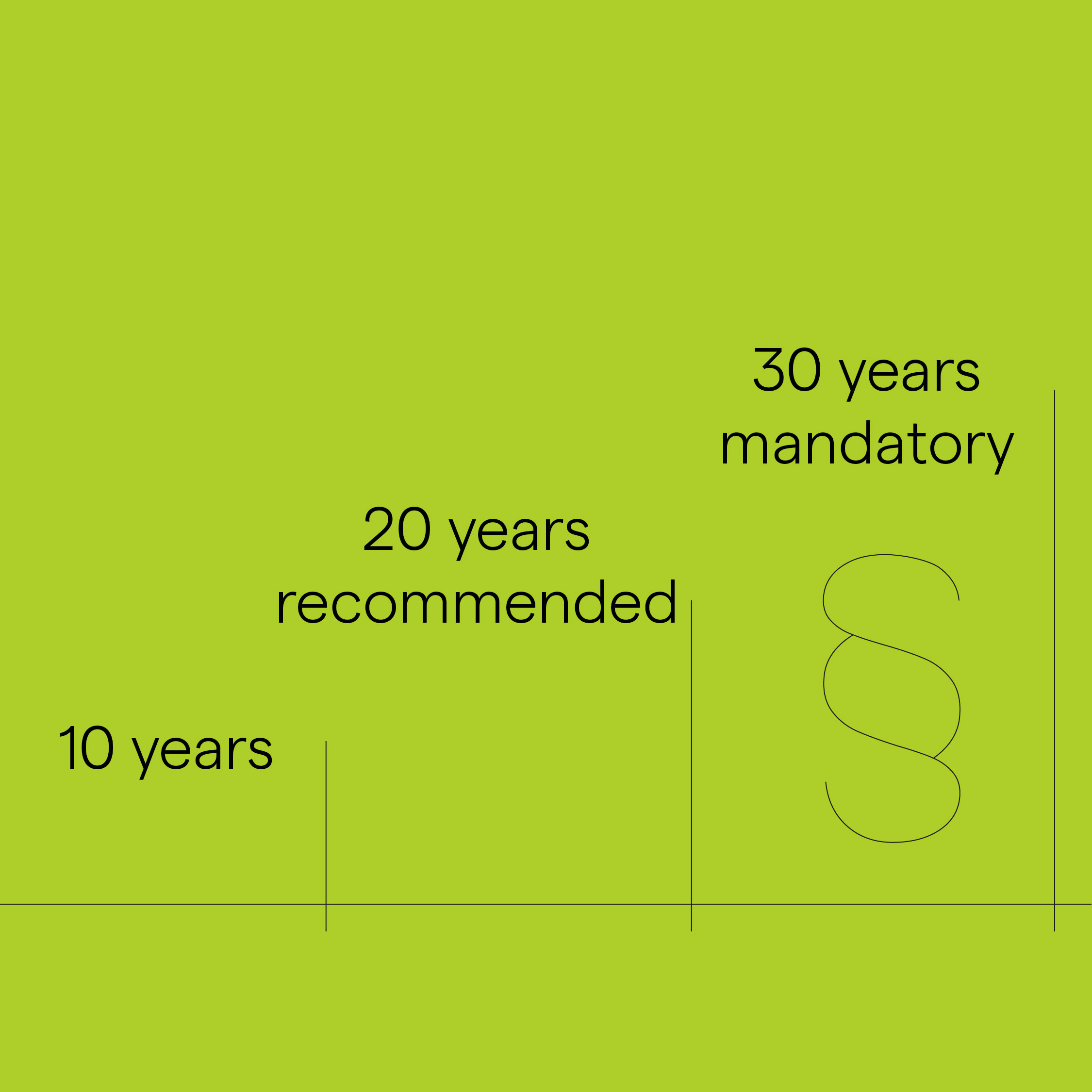
The obligation to replace a heating system is set out in the Building Energy Act (GEG): According to the November 2020 regulation, most gas and oil heating systems must be replaced 30 years after installation or installation. Read more here about replacing old oil-fired heating systems.
The 2024 amendment to the GEG also stipulates a 65% share of renewable energies for newly installed heating systems. The aim behind this legal requirement is to reduce CO2 emissions in Germany.
Although there are exceptions to the obligation to replace heating systems, replacing outdated heating technology is worthwhile in any case - for your wallet and for the environment.
Extra tip: Replacing the heating in summer
Even if you don't necessarily think about heating in summer, the warm season is the ideal time to replace your heating system. This is because the heating system is not in daily use and can be replaced without any major loss of comfort.
After the summer break, you can then benefit from a completely modernised, more energy-efficient heating system during the colder months - and enjoy state-of-the-art heating comfort.
Heating modernisation: measures and costs
A heating system consists of different components - from heat generation and storage to heat distribution. In the KERMI system x-optimised, all components are precisely coordinated and work together perfectly. Together, they offer maximum efficiency increases when modernising heating systems. But each individual modernisation measure also helps to save costs and energy
Switch to heat pump heating
- A heat pump heats with renewable energy - combined with PV electricity and battery storage, it is even up to 100 per cent CO2-neutral.
- This protects the environment and reduces heating costs.
- Air/water heat pumps are simply installed in the boiler room or outside and are easy to retrofit without the need to drill holes in the ground.
You can find out everything you need to know about heat pumps here.
Radiator modernisation
- Modern radiators ensure even, efficient heat distribution and can therefore contribute to energy savings
- Design variety from classic steel panel radiators to elegant towel radiators for a contemporary living space design
- Installation is possible without structural alterations thanks to special renovation solutions. Read more about the possibilities of radiator modernisation.
- Many versions available for different requirements: particularly energy-efficient radiators, special steel panel radiators for heat pumps, bathroom radiators, electric radiators. Which radiator is right for you?
To the therm-x2 energy-saving radiators
To the x-flair heat pump radiators
To the KERMI bathroom radiators
To the KERMI electric radiators
Retrofitting underfloor heating
- With their large heating surface, underfloor heating systems ensure pleasant, efficient heat distribution
- They are also an ideal partner for a modern heat pump
- Special underfloor heating systems are easy to retrofit and can be laid on top of the existing floor covering without the need for demolition or breaking work.
Supplement ventilation system
- Residental ventilation systems automatically replace the air and thus help to prevent mould
- At the same time, they prevent valuable heat from escaping to the outside - so rooms do not cool down as a result of ventilation.
- This contributes to the efficiency of the entire heating system
- Decentralised residental ventilation or central ventilation system: Installation is usually possible with little effort, even at a later date.
Find out more about the benefits of controlled domestic ventilation systems and how to retrofit them.
FAQ
What sort of heating system should you install in an older building these days?
When modernising older buildings, heating systems that utilise renewable energy and enable low CO₂ emissions are now used particularly frequently. These include, above all, modern heat pump systems, which are also increasingly being installed in existing buildings.
It is crucial that the heating system, the building and the heating surfaces are well matched. Favourable conditions are created, for example, by modernised buildings, low flow temperatures and appropriately sized radiators or panel heating systems.
However, depending on the building and the stage of renovation, hybrid solutions may also be appropriate – for example, for the phased modernisation of existing heating systems.
What are the best heating systems for a detached house?
As an alternative to oil and gas heating systems, a range of different heating systems are now available for detached houses – depending on the building’s standard, heat demand and the available heating surfaces. When the focus is on efficient, climate-friendly heating, modern heat pump systems are often used. They utilise energy from the environment to generate heat, thereby reducing dependence on fossil fuels and cutting CO₂ emissions. When combined with panel heating or modern radiators, they create the ideal conditions for a sustainable heating mode in a detached house.
Which heating system is the most cost-effective in the long run?
In the long term, heating systems that consume little energy and use renewable energy sources are particularly cost-effective. These include, above all, heat pumps, as they extract a large proportion of the heat required from the environment and can therefore help keep heating costs comparatively low. At the same time, the use of renewable energy sources reduces dependence on rising or fluctuating gas and oil prices. However, how cost-effective a heating system actually is also depends on the building’s heat demand and the required system temperatures. As a general rule, the lower the required flow temperature of the heating system, the less energy is needed to provide heat. Panel heating or appropriately sized radiators, for example, create the right conditions for this.
Which heating systems are particularly suitable for large buildings?
In larger buildings, different heating systems are used depending on heat demand and the building’s use. For example, district heating, gas condensing boilers, hybrid heating solutions or biomass systems are often used to reliably cover high heating loads.
Heat pump systems are also becoming increasingly important, as they utilise renewable energy and, as a climate-friendly heating solution, can be flexibly adapted to different building requirements. Often, several heat pumps are used in cascade operation to provide the required heating capacity as and when needed. Alternatively, hybrid heating systems may be a sensible option, in which heat pumps are combined with other heat generators – for example, to cover high peak loads or different operational requirements.
Low flow temperatures, appropriately sized heating surfaces and a well-coordinated heat distribution system are crucial for efficient operation.