Electricity consumption of heat pumps
Calculation and optimisation
Heat pumps are power guzzlers - this myth persists. However, the electricity consumption of modern heat pumps is low. In most formations, the costs incurred for electricity are even significantly lower than the heating costs of other heating systems. Heat pumps therefore enable particularly economical and sustainable heating. This can be calculated using simple key data and is also reflected in the heating index.
At a glance
- Why do heat pumps need electricity? Electricity is used to utilise free environmental heat for heating.
- Factors influencing electricity consumption: heat demand of the building as well as technical properties and efficiency of the heat pump (important key figures: COP and JAZ)
- Calculate electricity costs: 1. heat demand divided by COP = electricity consumption; 2. electricity consumption times electricity price = electricity costs.
- Electricity consumption depending on the type of heat pump: Air heat pumps consume more electricity at cold temperatures; groundwater and geothermal heat pumps usually consume less electricity.
- Comparison of heating costs: In most cases, the electricity costs of heat pumps are cheaper than the heating costs of oil or gas heating systems.
- Tips for reducing electricity consumption: professional planning, installation and maintenance of the heat pump, good building insulation, use of photovoltaics and intelligent heating behaviour.
Why does a heat pump consume electricity?
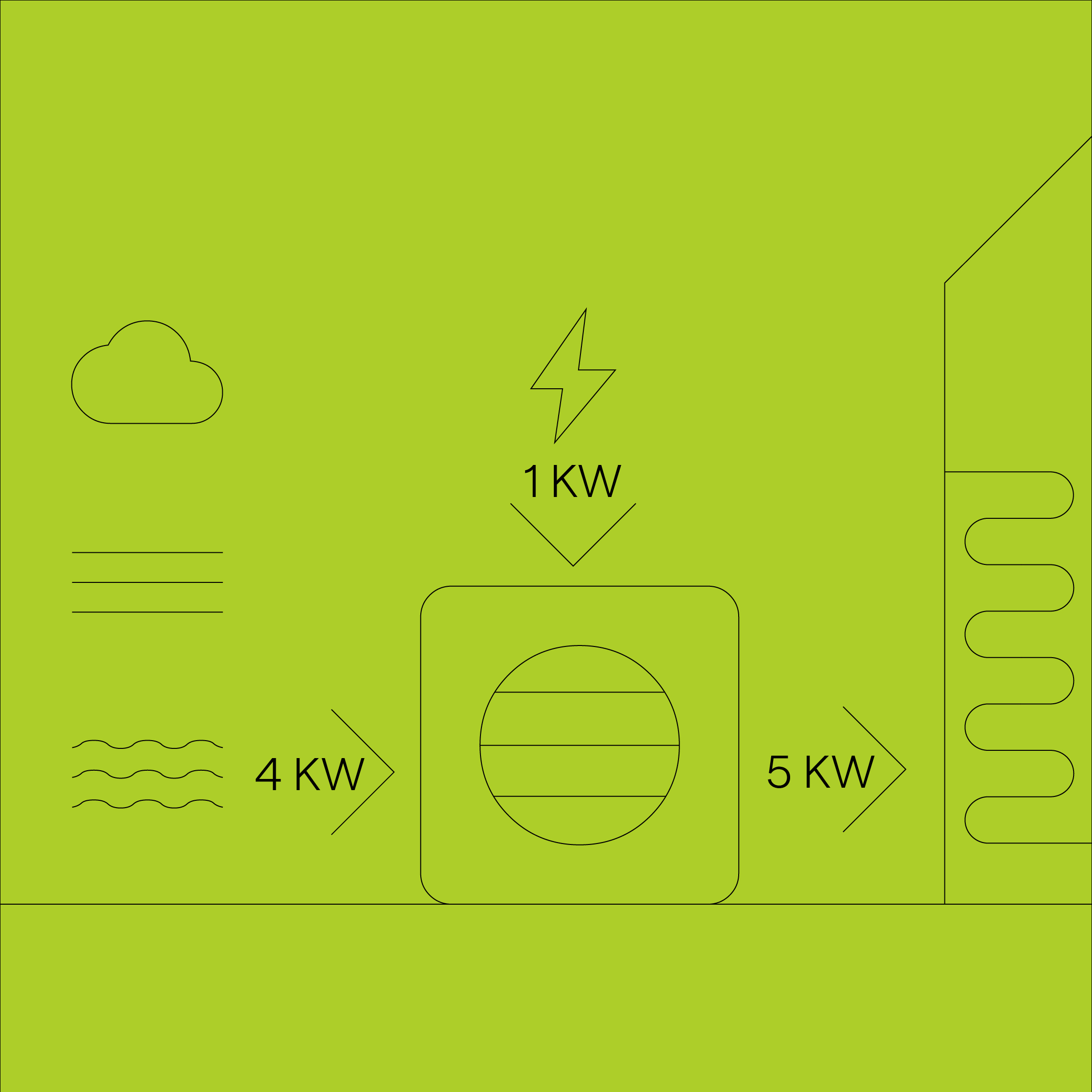
Compared to conventional heating systems, heat pumps do not burn fossil fuels such as oil or gas for heat generation. They obtain the energy from free, natural sources such as air, earth or water. Electricity is required in this process to bring the environmental energy to a temperature level that can be used for heating.
The following rough calculation of electricity consumption applies to modern, efficient heat pumps: only around 20 % of the heating energy comes from electricity, 80 % from the environment.
You can find out more about how heat pumps work here.
Understanding efficiency: COP and annual COP simply explained
The efficiency of a heat pump has a major influence on its electricity consumption and therefore also on its operating costs. Various key figures help you to better assess the performance and actual energy requirements of your system. Two in particular provide important information:
What is the COP?
The coefficient of performance (COP) describes the ratio of heat output generated to the electrical energy used to generate it - under standardised and defined conditions. The COP value is therefore a snapshot and shows the maximum efficiency under certain defined conditions.
What does a COP value of 4 mean for electricity consumption?
The COP value 4 indicates that four kilowatts of heat are generated with one kilowatt of electricity. This means that the higher the COP value, the higher the efficiency and the lower the heat pump's electricity consumption.
What is the seasonal performance factor?
The annual coefficient of performance (COP) measures the ratio of heat generated to electricity used - over an entire year. In contrast to the COP, the seasonal performance factor therefore reflects the actual annual operation of a specific system. The SPF therefore also varies depending on building factors and usage behaviour, but in return provides practical, meaningful values about the efficiency and actual electricity consumption of the heat pump in your own home. This also includes the amount of electricity required for domestic hot water preparation.
What does a JAZ value of 4.5 mean for electricity consumption?
A JAZ value of 4.5 means that an annual average of 4.5 kilowatt hours of heat are generated from one kilowatt hour of electricity in the analysed house. A JAZ value from 3 is considered good and shows that the heat pump in this building works efficiently and the electricity consumption is correspondingly low.
You can use the JAZ calculator to calculate the annual COP for a heat pump in your home.
Electricity consumption of heat pumps: What does it depend on?
How much electricity a heat pump consumes and what electricity costs are incurred depends not only on the efficiency of the heat pump itself. The heat demand of the building, measured in kilowatt hours (kWh), the heating behaviour and other factors also play an important role.
The following must be taken into account:
- The type of building (new or old) and in particular the insulation standard: good insulation significantly reduces heat losses and therefore heat demand. This means that a heat pump can also be used efficiently in old buildings.
- A larger area to be heated generally increases the heating requirement.
- The desired room temperature and the temperature of the energy source (the outside temperature in the case of air heat pumps) also have an effect on electricity consumption.
- Conscious heating behaviour, for example through adapted heating and targeted ventilation, helps to reduce the electricity consumption of the heat pump.
- A heat pump that is optimised for the size and heat demand of the building is crucial for efficiency and lower electricity consumption.
- Modern control technology helps to reduce electricity consumption and make operation more efficient.
- Circulation pumps, control systems and auxiliary heating systems also consume electricity.
How to calculate the electricity costs of your heat pump

The average electricity costs can vary greatly depending on the type of heat pump and insulation standard - from around 340 euros to 2,350 euros per year. To estimate the likely operating costs of your heat pump, only two calculation steps are necessary:
Step 1: Calculate the expected electricity consumption of your heat pump by dividing your individual heat demand by the system's annual COP. Example: With a heat demand of 20,000 kWh per year and a seasonal performance factor of 4, the electricity consumption is 5,000 kWh (20,000 kWh ÷ 4 = 5,000 kWh).
Good to know: The heat demand of your building can be easily derived from your oil or gas bill - for gas, the consumption is usually given directly in kilowatt hours (kWh); for oil, simply multiply the number of litres by a factor of ten.
Step 2: Multiply the calculated electricity consumption by your current electricity price to calculate your annual electricity costs. With an electricity tariff of 30 cents per kWh, the annual costs in the example shown are €1,500 (5,000 kWh × €0.30/kWh = €1,500).
Savings tip: Check whether a special heat pump electricity tariff is more favourable for you and whether this will result in further savings.
Power consumption depending on heat pump type
Outside air, groundwater or geothermal energy - the energy source used by the heat pump also has an influence on electricity consumption. The warmer the energy source, the less electricity is needed to generate heat for heating. This is how the heat pump types differ in their electricity consumption:
Air-to-water heat pump | Brine / water heat pumps | Water-to-water heat pump | |
Heat source | Utilises outside air as a heat source; simple and cost-effective installation. | Utilises geothermal energy via collectors or probes laid in the ground. | Utilises groundwater as a heat source; requires access to suitable groundwater and official approvals. |
Electricity consumption | When outside temperatures fall, the temperature of the heat source drops. As a result, the electricity consumption for heat generation increases. In very cold temperatures, the auxiliary heating is also used more frequently, which also increases electricity consumption. | The ground offers relatively stable temperatures (especially at depth) and thus ensures consistently low electricity consumption. | Very efficient operation is possible due to the constant temperature of the groundwater. Power consumption is comparatively low. |
COP value and JAZ | COP is typically between 3 and 5, may fall in frosty weather. Typical COP: approx. 3.5 - 4.5 | Usually higher COP of approx. 4 to 5. Typical COP: 3.8 to 5 | Usually high COP values, sometimes over 5 possible. Typical COP: 3.8 to 5 |
You can find out more about the different types of heat pumps, how they work and their advantages and disadvantages here.
Tip: Reduce the heat pump's electricity costs with a PV system
Would you like to reduce the electricity costs of your heat pump? Combining the heat pump with a PV system is ideal for this. This generates cheap, green electricity for your household, but also for operating your heat pump. This means you need to purchase less expensive electricity from the electricity supplier's grid and also heat in a more environmentally friendly way.
With functions such as the power-to-heat function, heat pumps intelligently integrate PV electricity and use surplus solar power to generate heat for storage. This is stored in a heat storage unit and is available to you when you need it. This means you benefit from a sustainable and economical heating solution that can be optimally integrated into your home.
Heating costs heat pump vs. other heating systems
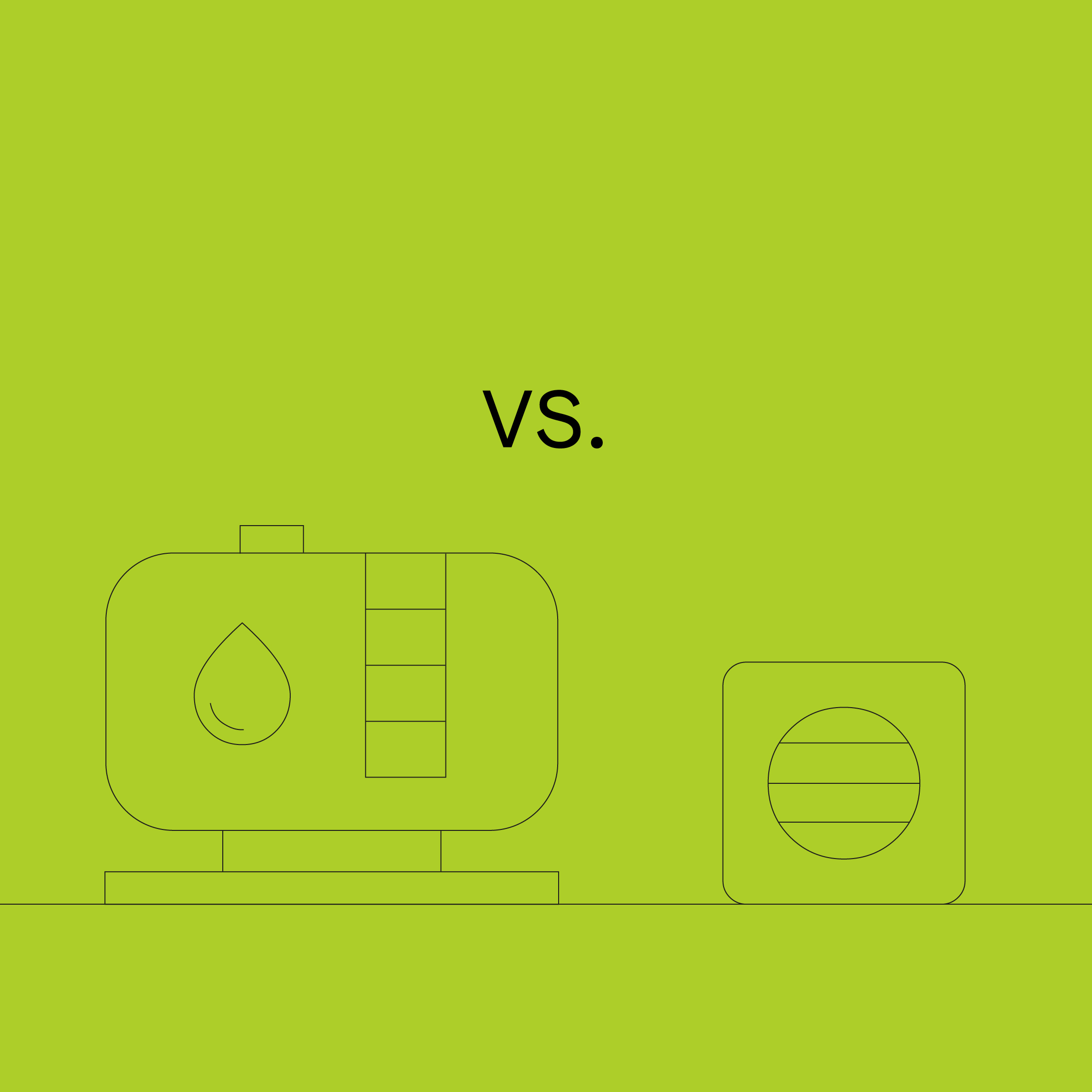
The heating costs of a heat pump essentially consist of the electricity costs for operation. These are often significantly lower than the heating costs incurred by gas or oil heating systems. This can be seen, for example, in the 2025 heating index, where the projected heating costs for a 70 square metre flat in an apartment block are as follows:
- Heating oil: approx. 1,055 euros/year (increase due to CO2 pricing and energy price development)
- Natural gas: approx. 1,180 euros/year
- Heat pump: approx. 715 euros/year (with efficient operation and use of green electricity)
Looking ahead, it can be assumed that energy prices for fossil fuels will remain volatile and continue to rise due to CO2 pricing. In comparison, heat pumps offer more stable and more predictable costs in the long term, as they use free environmental energy and can also be operated with their own PV electricity. In addition, heat pumps cause significantly lower CO2 emissions than gas or oil heating systems and are therefore also ecologically attractive.
Reduce the heat pump's power consumption
- Correct dimensioning: Select a heat pump to suit the building size and heat demand.
- Professional installation and regular maintenance: Ensure professional installation and have the system checked regularly to ensure efficient performance.
- Optimise heating behaviour and use intelligent control: Set room temperatures according to demand, adjust heating times and use smart thermostats.
- Improve building insulation: Insulate windows, walls and roof to minimise heat loss.
- Use load management and solar power: Time electricity consumption, for example to take advantage of favourable electricity tariffs, and cover as high a proportion of electricity requirements as possible with your own PV system.
- Optimum components: Use underfloor heating or steel panel radiators with a low flow temperature.
FAQ
How much electricity does a heat pump consume?
The electricity consumption of a heat pump depends on various factors, including the efficiency of the system, the heat demand of your home and the outside temperature. In principle, modern heat pumps use around 80 % free environmental energy for heat generation and only require an additional 20 % electricity. Consumption can vary depending on the type of heat pump: Air-to-water heat pumps consume more electricity in cold temperatures, while geothermal and water heat pumps work more efficiently. To roughly calculate the electricity costs, divide your heat demand by the heat pump's annual coefficient of performance (COP) and multiply the result by your electricity price.
How can I optimise the electricity consumption of my heat pump?
You can effectively optimise the electricity consumption of your heat pump by taking several measures. Optimised dimensioning and professional installation of the system as well as regular maintenance are important. Improve the insulation of your building and adjust your heating behaviour by setting room temperatures to suit your needs and ventilating consciously. Also use intelligent control systems and, if possible, your own solar power from a photovoltaic system to further reduce electricity consumption and save costs.
How can I calculate the electricity consumption of my heat pump?
The electricity consumption of a heat pump can be calculated by dividing your annual heat demand by the heat pump's annual coefficient of performance (COP). For example: With a heat demand of 20,000 kWh and a seasonal performance factor of 4, this results in an electricity consumption of 5,000 kWh (20,000 ÷ 4 = 5,000). To determine the annual electricity costs, this electricity consumption must be multiplied by the corresponding electricity price. At a tariff of 30 cents per kWh, the costs then amount to €1,500 per year (5,000 × €0.30 = €1,500). This will give you a realistic estimate of your operating costs.
How high is the electricity consumption of a heat pump compared to a gas heating system?
The electricity costs of a heat pump are usually significantly lower than the heating costs of a gas heating system: this is because heat pumps use around 80 per cent free energy from the environment for heat generation and only around 20 per cent from electricity. Fossil fuel prices for gas and oil, on the other hand, are high and will tend to rise further due to CO2 pricing. According to Heizspiegel 2025, the projected heating costs for a 70-square-metre flat in an apartment building, for example, are around €715 per year for heat pumps, while gas heating systems are significantly more expensive at around €1,180 per year.
Buy a KERMI heat pump
We attach great importance to the highest quality and flawless installation of our products. That is why we sell KERMI heat pumps exclusively via the three-stage sales channel. This ensures that you not only receive a premium product, but also benefit from the best possible advice, planning and professional installation. Your qualified local specialist partner is your direct contact and ensures the optimal integration of our efficient and sustainable heating solutions into your home.