Public facilities
Church of St Elisabeth Straubing
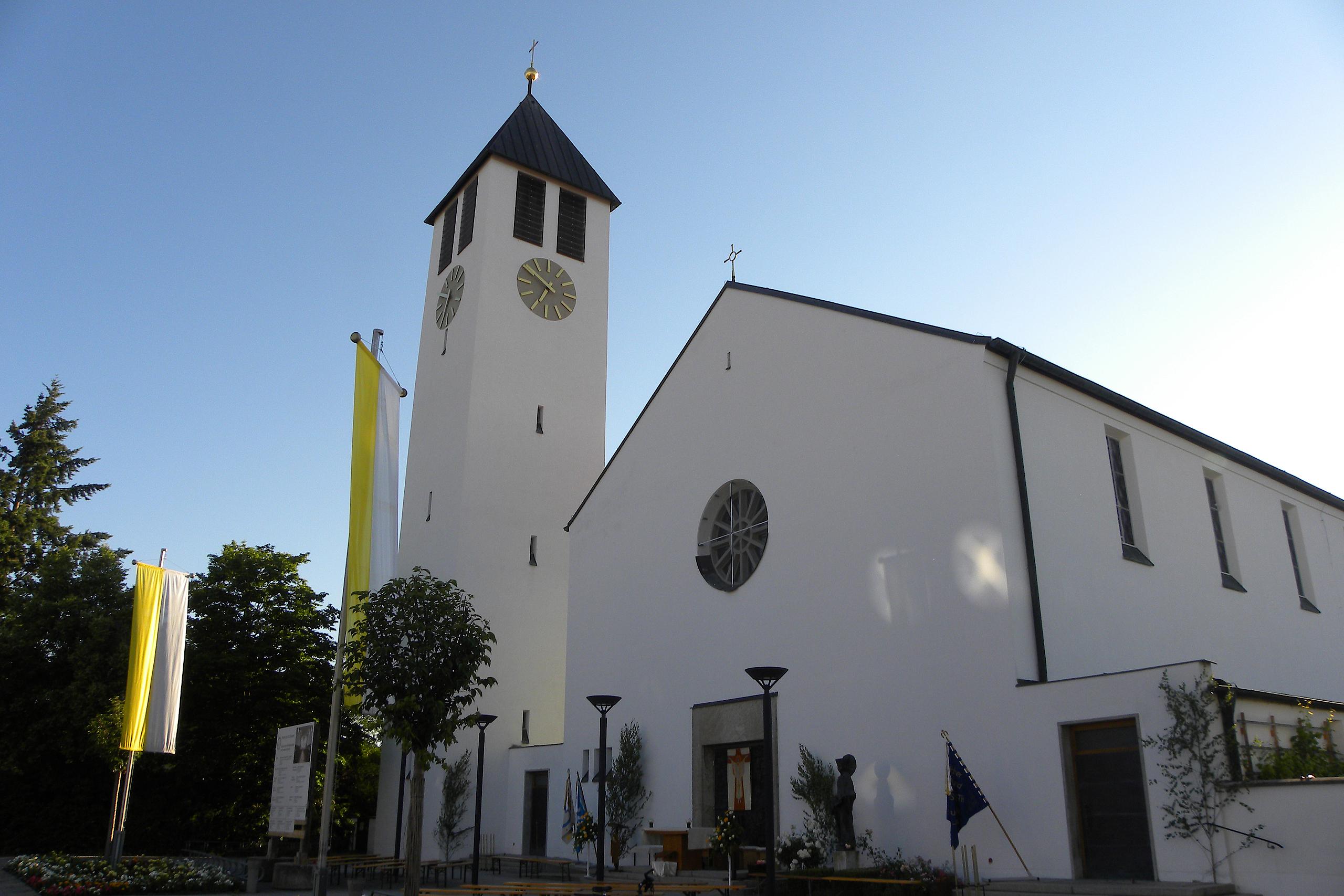
Since November 2017, the church of the parish of St Elisabeth in Straubing, Lower Bavaria, can once again be used for church services and events. After around 30 years in operation, extensive renovation work was carried out and a weekday chapel, a confession room and a vestibule were added. Among other things, special "pew heaters" now ensure pleasant temperatures during church services. For this purpose, 116 KERMI heating panels with a special design were installed under the pews. The altar area and the chapel are equipped with x-net panel heating. In the remaining rooms, therm-x2 steel panel radiators and vertical KERMI heating panels are installed.
The special version of heating panels used is an energy-efficient alternative to conventional electric heating systems. Several churches in the region have already been equipped with this solution.
Photo source: St Elisabeth Straubing/ Thomas Schmid
Church of St George at Kirch Stück in Schwerin/Mecklenburg-Western Pomerania
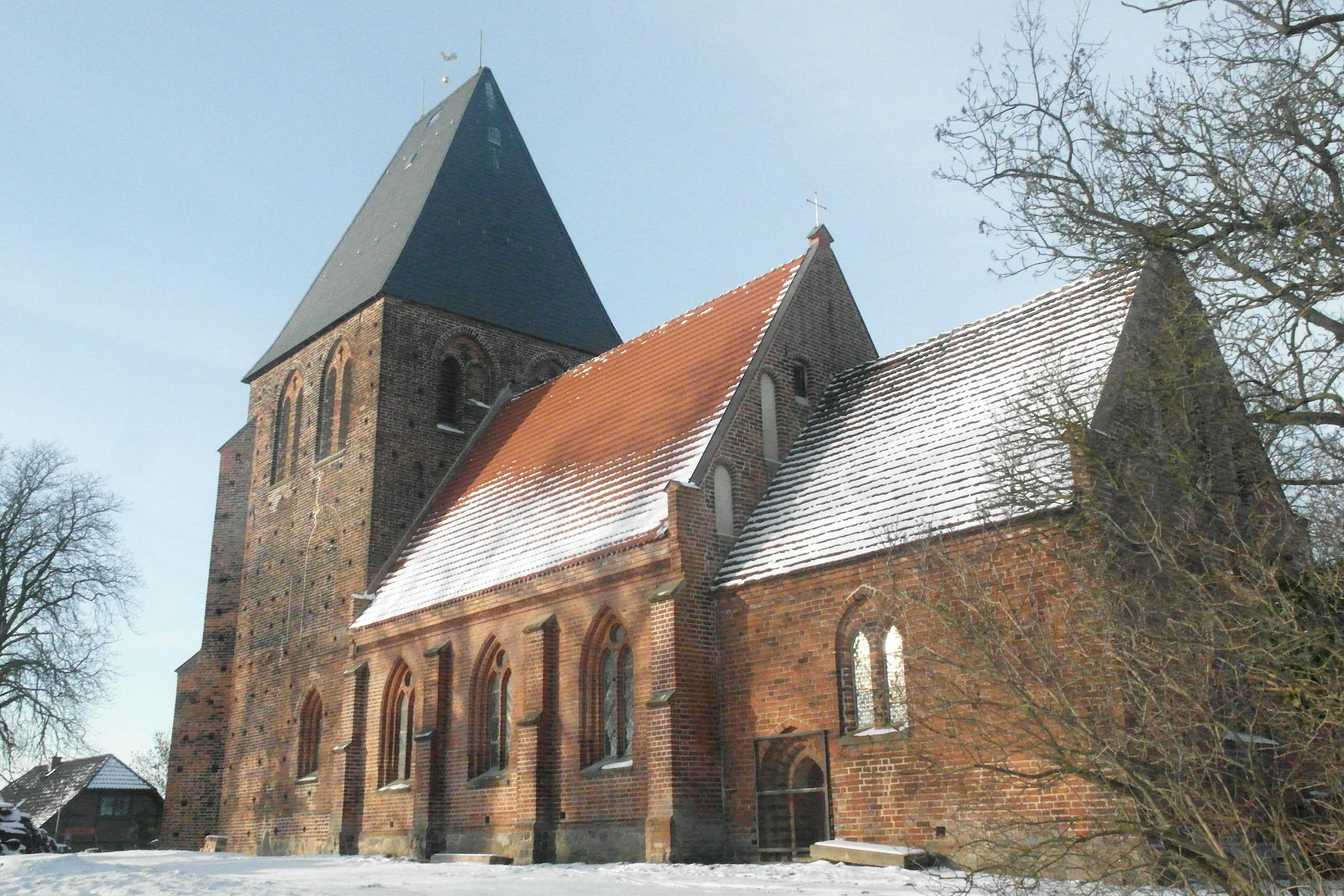
The first records of the foundation of this church date back to the 12th century. The church, a single-nave brick building with a square tower and vaulted choir extension, served the Evangelical Lutheran parish as a meeting place for Christian celebrations for centuries.
Building work on the church began with the founding of a support association in 2012. In addition to the restoration of the valuable Georgenglocke bell, an electric bell ringing system was installed. In order to be able to hold more cultural events throughout the year, investments were made in a heating system with underfloor heating so that the tower room can also be used as a community and meeting room in winter. The decision was made in favour of a KERMI x-change compact air/water heat pump with outdoor installation.
One challenge during the installation was the placement at the final location. As an outdoor installation directly next to the church in the surrounding cemetery was not possible, the only option was inside the church at the top of the bell tower. To do this, the heat pump had to be pulled over two floors to the bell floor using a hoist. With the combined efforts of all service personnel on site, this was successfully achieved. The system is not visible from the outside behind one of the hatches in the bell floor.
Photo source: Alt Meteln-Cramon-Große Trebbow parish
German Pension Insurance North Hamburg
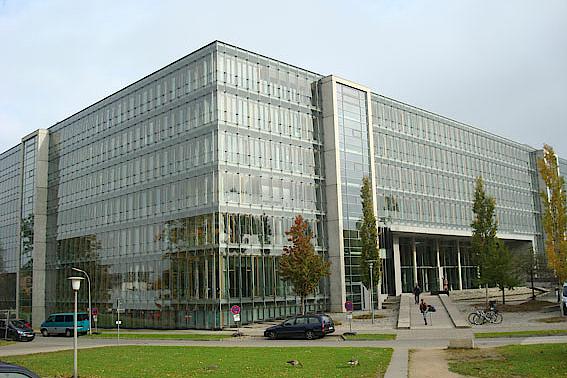
Hamburg is home to one of the three administrative centres of Deutsche Rentenversicherung Nord. It looks after around 2,300,000 insured persons and pays out over 1,000,000 pensions. Despite these impressive figures, individual counselling is the focus of the self-governing body. Deutsche Rentenversicherung Nord also offers presentations on current topics in the field of statutory pension insurance, such as rehabilitation, pensions and old-age provision.
The company KERMI provides around 3,200 steel panel radiators to ensure a pleasant and cosy room temperature.
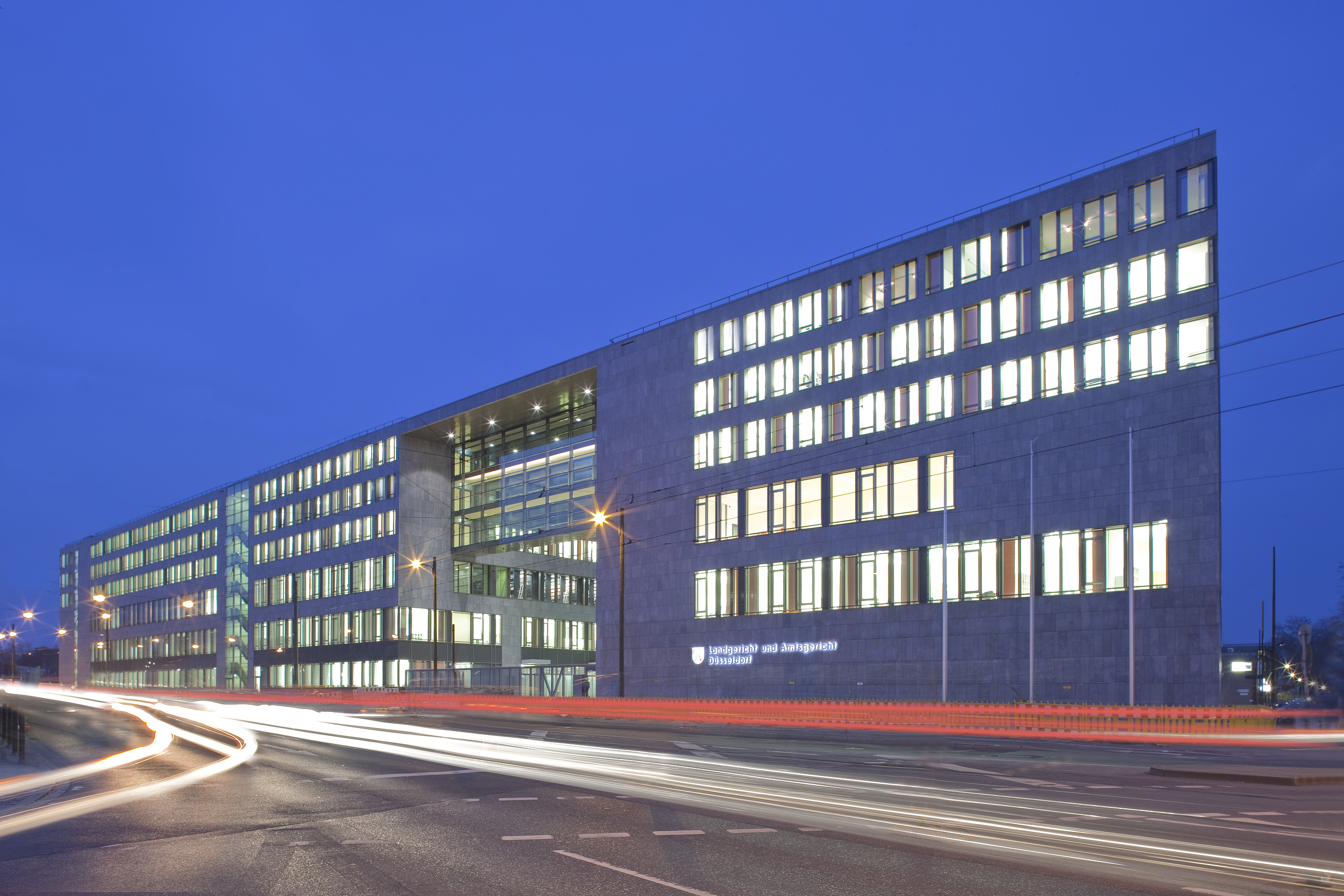
Düsseldorf Regional and Local Court
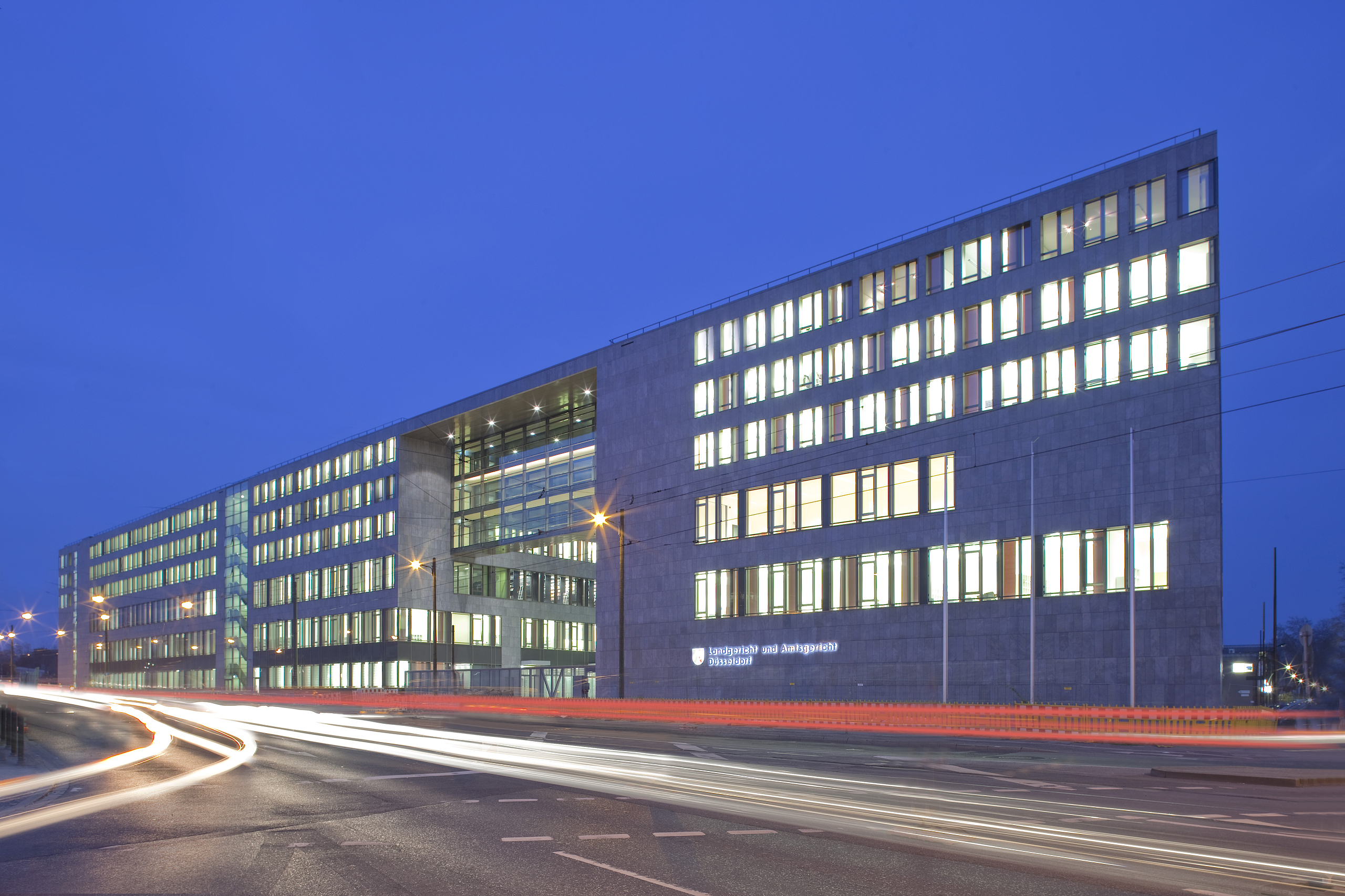
The Düsseldorf district court was established in 1879 after the Düsseldorf regional court, which was founded in 1820. It began with four judges, one of whom achieved literary fame: the district judge Emil Hartwich provided the model for Theodor Fontane's novel "Effi Briest" with his death in a duel. Over the years, the courts were housed in different buildings until 1915, when the then new court building on Mühlenstraße was occupied.
Changing circumstances made a new building in Werdener Straße necessary, which was occupied at the end of 2009. The building, constructed and managed by Bau- und Liegenschaftsbetrieb NRW, fulfils all the requirements of a modern administrative building. Energy-efficient heating of the premises is provided by therm-x2 energy-saving radiators from KERMI.
Photo source: Düsseldorf District and Local Court
Hauserhof Linz
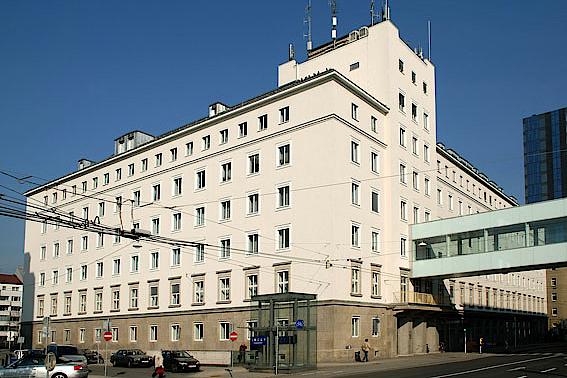
Linz is the provincial capital of Upper Austria and the third largest city in Austria after Vienna and Graz with around 200,000 inhabitants. The Hauserhof, named after the provincial governor Johann Nepomuk Hauser, was built between 1950 and 1953. Construction work for the general renovation of the Hauserhof began in June 2005 and was completed at the end of 2007. The renovation of the Hauserhof is thus a further building block in the efforts to modernise Linz's railway station district. As the administrative building of the Upper Austrian provincial government, the Hauserhof offers around 15,000 square metres of office space for various provincial authorities.
Around 1,100 "therm-x2" energy-saving radiators from KERMI provide pleasant warmth in the building, which has been modernised in line with the latest standards.
Photo source: Hauserhof Linz
Main customs office Rosenheim
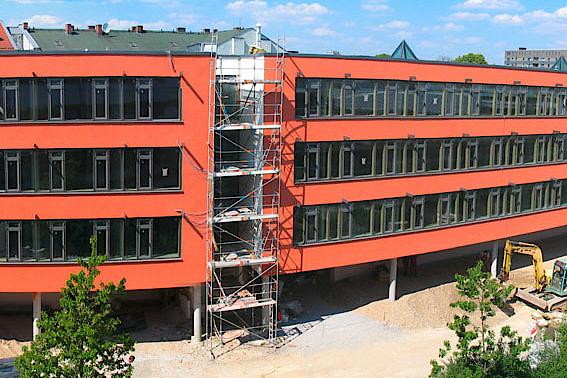
With the new building, which is connected to the old building, the intention is to accommodate all employees of the main customs office in one building unit. This requires a considerable amount of additional space, particularly due to the expansion of the "Financial Control of Clandestine Labour" department. The new building has created a main usable area totalling 2,843 m². The central staircase and the disabled-accessible lift are located in the front building at the main entrance and, thanks to a generous steel and glass façade, have a strong interior-exterior relationship as well as a good design connection to the old building façade with its entrance.
KERMI is represented in this building project with over 320 convectors and heating panels.
Photo source: Main customs office Rosenheim