Cultural facilities
Elbphilharmonie Hamburg
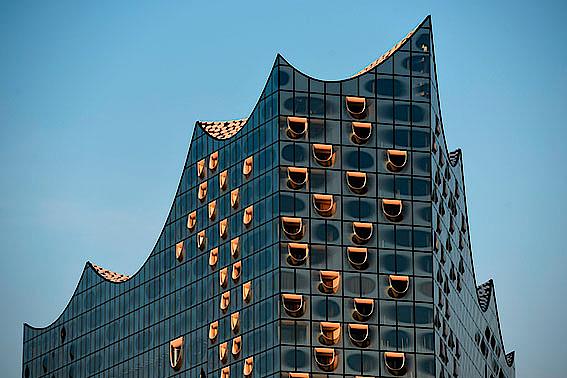
Anyone entering the Elbphilharmonie is immediately captivated by the unique charm of Hamburg's new landmark. As a combination of the brick-clad "Kaispeicher A" from 1962 and a glass-encased construction with an undulating roof, the building builds a bridge between Hamburg's past, present and future.
The complex consists of a concert hall with three concert halls, a five-star hotel with 244 rooms and 45 exclusive housing units. With its height of 110 metres, it is now Hamburg's tallest inhabited building. The Elbphilharmonie is also a popular destination for tourists. Visitors can enjoy the view of the Elbe, harbour and city centre from the "Plaza", a viewing level on the middle level between the brick base and glass superstructure.
Around a thousand radiators from KERMI are installed throughout the building, distributed across therm-x2 steel panel radiators, convectors and bathroom radiators in the hotel area.
Photo source: www.mediaserver.hamburg.de /Michael Zapf
Bayerisch Eisenstein border station
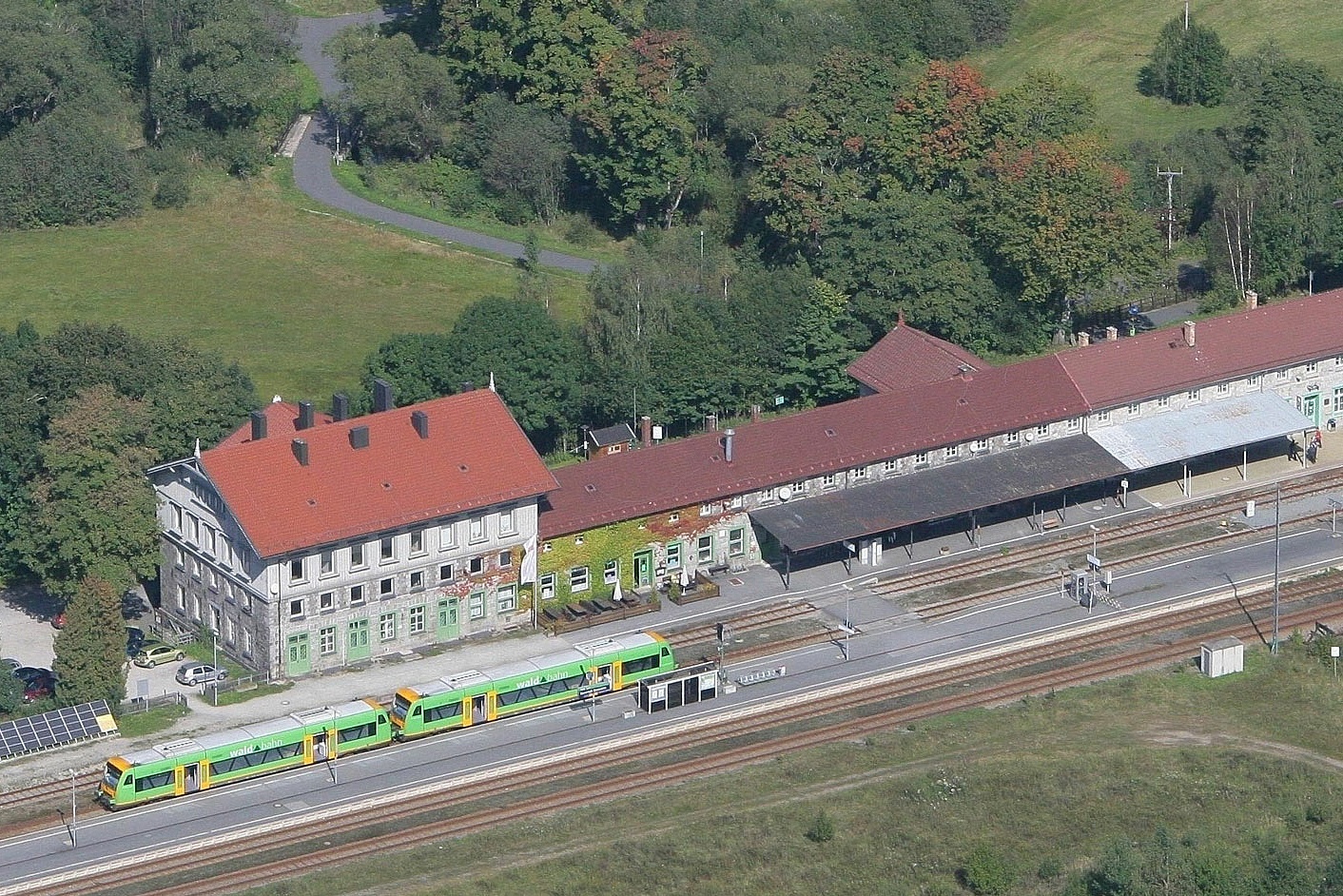
The Bayerisch Eisenstein border station is a symbol of Europe growing together. During the Cold War, it was the only building through which a state border ran. After the border was opened, the Bavarian Forest Nature Park set up a Bavarian-Bohemian nature park information centre here.
In addition, a restaurant, rooms for changing special exhibitions, an Arber exhibition, a ski museum and a permanent exhibition on the subject of "Railways and Mobility" were created. The centrepiece of the station is located in the "catacombs".
The cross vaults and pillars there offer ideal conditions for the European Bat Centre.
Heating panels and therm-x2 steel panel radiators from KERMI ensure a cosy atmosphere for visitors and employees.
Photo source: Bavarian Forest Nature Park e.V.
Benedictine Abbey Metten
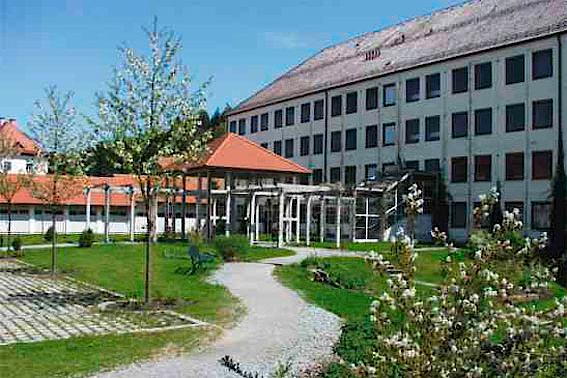
Nestled between the drains of the Bavarian Forest and the Danube valley lies the Benedictine abbey of Metten, founded in 766 AD. The magnificent library, the impressive collegiate church and the banqueting hall are particularly worth seeing.
For almost 200 years, the monks have been teaching Benedictine traditions and values in the adjoining "St Michael" secondary school and boarding school.
KERMI is supplying the abbey with panel radiators and x-net panel temperature control for extensive renovation work in the monastery and boarding school building.
Photo source: Benedictine Abbey of Metten
Levi-Strauss Museum Buttenheim
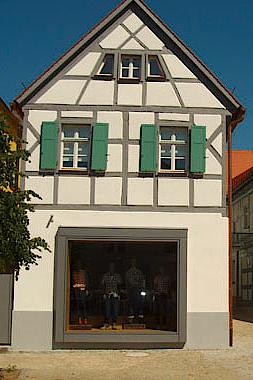
A Levi Strauss museum in Buttenheim, Franconia? Levi Strauss is the inventor of jeans, isn't he? That's right! But he was American, wasn't he? Wrong! Levi Strauss was born in Buttenheim in 1829 and emigrated to America at the age of 18.
His life story and everything to do with the iconic rivet trousers he invented attracts visitors from all over the world to the small Franconian community. Due to the great interest, the decision was made to expand the museum from 136 m² to 500 m² of exhibition space in a neighbouring building.
Under the direction of architect Christoph Gatz, it was even possible to realise an exclusive Levis store on the ground floor in addition to the newly gained room for the museum.
In this context, the x-net C11 knob system from the x-net panel heating/cooling programme was installed. Covering an area of 450 m², the heating system provides cosy warmth for visitors and employees of the museum.
Photo source: Architekturbüro Gatz Bamberg
Liesborn Abbey Museum
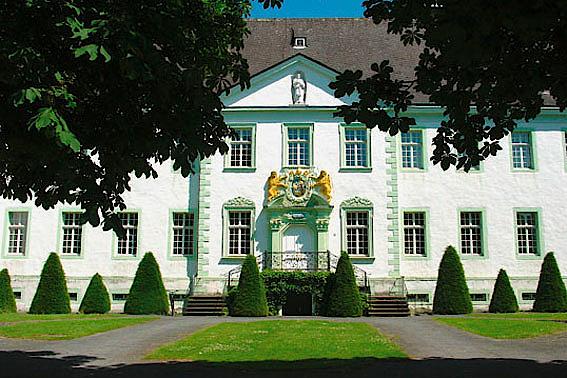
The Liesborn Abbey Museum of the district of Warendorf is located in the baroque abbey residence of the former Benedictine abbey in Liesborn. The museum's extensive collection covers many areas of the region's art and cultural history. The museum's attic houses the famous crucifix collection, which includes works by such renowned artists as Francis Bacon, Joseph Beuys, Marc Chagall and Salvador Dali.
It comprises more than 800 objects and is unrivalled in terms of both rank and scope. At the beginning of the 1970s, night storage heating was installed in the attic and south wing of the abbey, which was practical and inexpensive at the time - but is very unprofitable today. For this reason, the rooms were insulated in 2011 in accordance with today's standards, whereby the historic, listed building fabric is not only preserved but also remains visible.
The x-net wall heating system from KERMI ensures optimum room temperature for museum staff and visitors.
Photo source: Mallersdorf Monastery
Deggendorf Town Hall
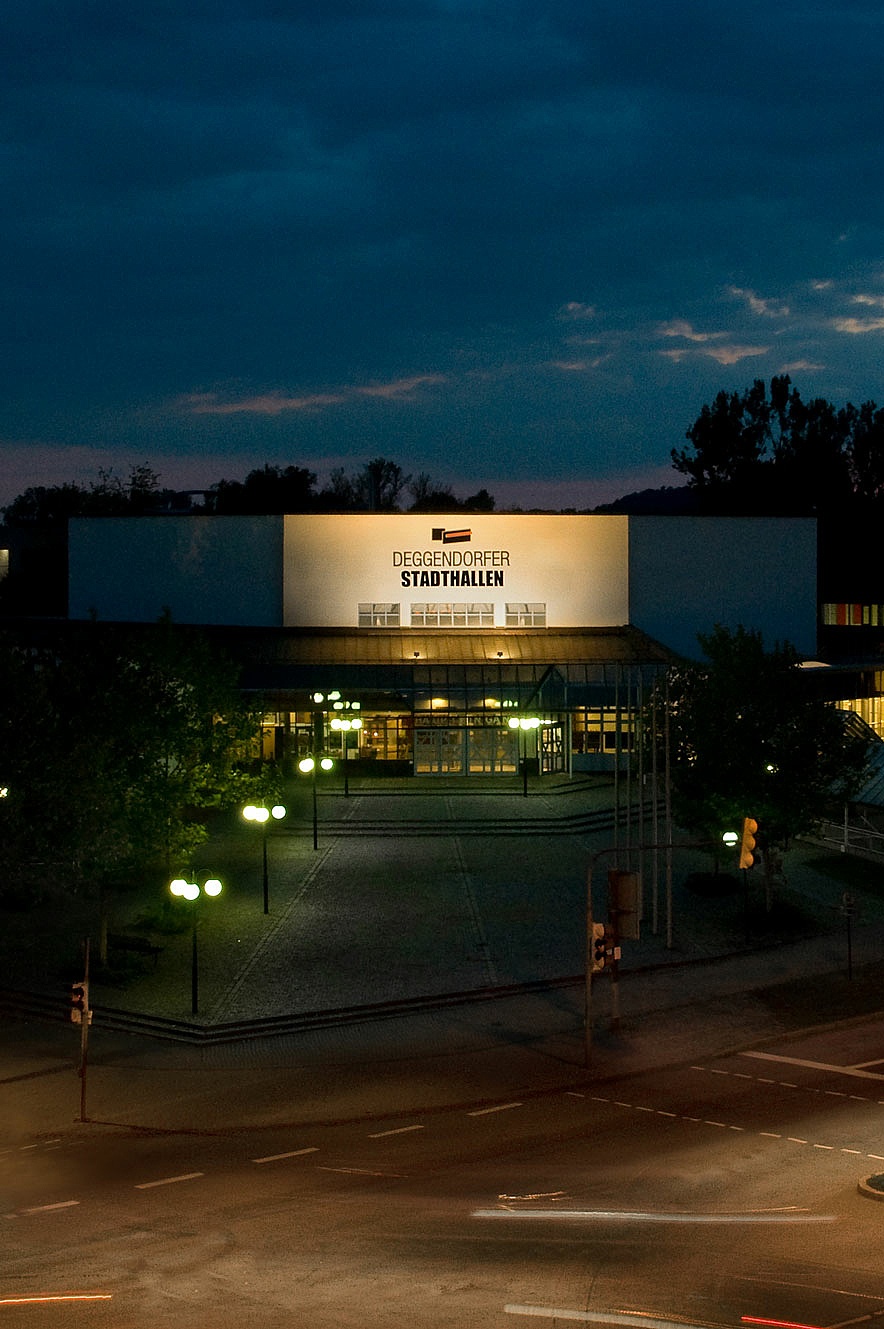
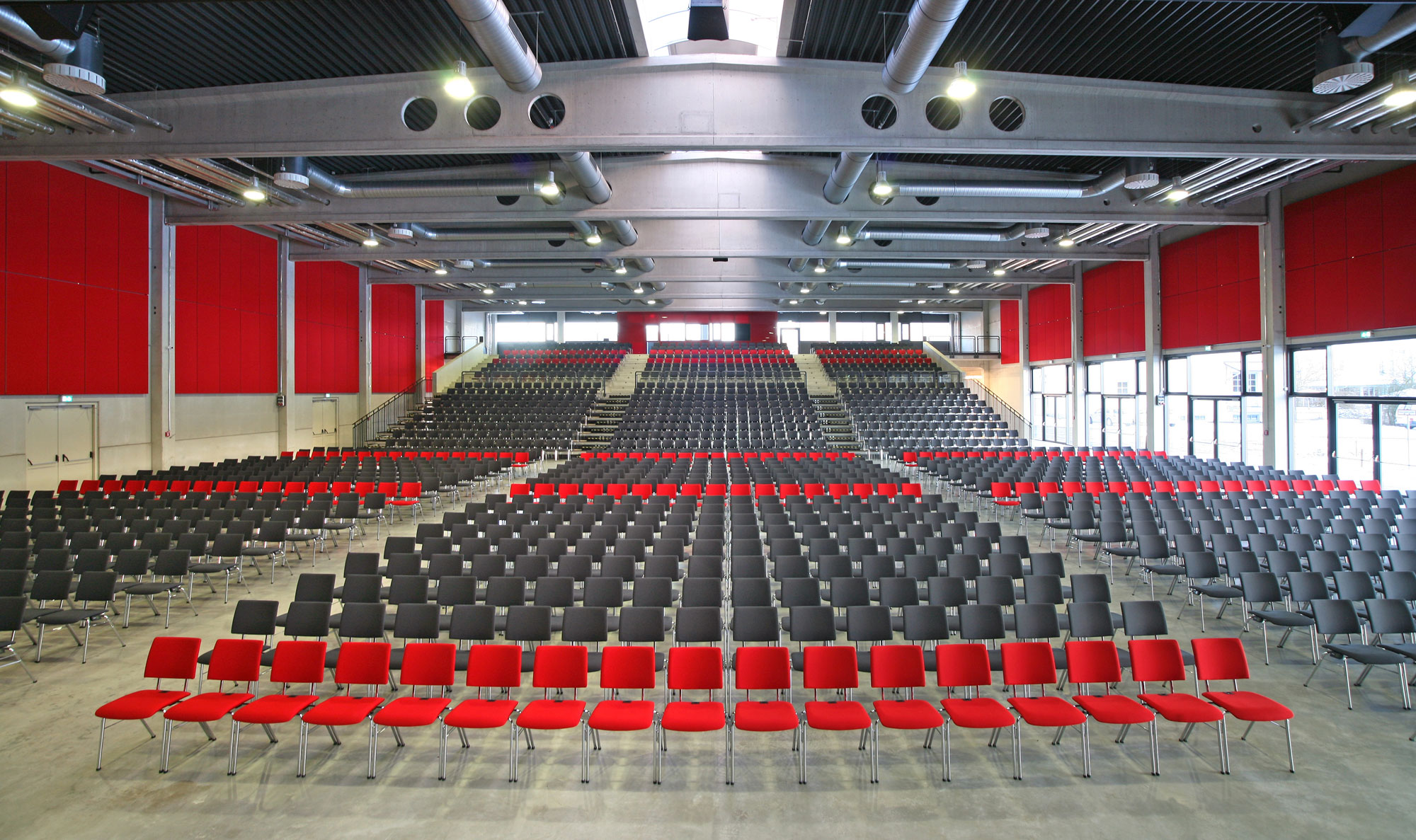
The large district town of Deggendorf, conveniently located on the Danube, is considered the gateway to the Bavarian Forest. The cultural programme is wide-ranging. The extension to the town hall, which opened in January 2009, opens up completely new possibilities.
The sophisticated hall concept offers around 2,500 square metres of ideal conditions for major events. Special emphasis was placed on the building services. The event hall can be accessed by lorry and retractable power connections allow flexible use of the entire hall area.
Optimum thermal comfort and high energy efficiency are guaranteed by the C14 industrial panel heating system from KERMI, which is embedded in the hall floor. The panel temperature control system is characterised by optimum energy utilisation - especially in the low-temperature range - a long service life, maintenance-free operation and a uniform temperature profile with minimal air movement and no draughts.
Depending on the event, the heat demand can be precisely controlled. Ten heating circuit manifolds made of V2A stainless steel with up to nine heating circuits and a total pipe length of 7,800 metres ensure optimum temperature control in the modern, future-oriented event centre.
Photo source: Deggendorfer Stadthalle